Aim and Scope

The International Journal of Research on Engineering Structures and Materials (RESM) aims to be a peer-reviewed forum for the discussion, development, and dissemination of scientific and technical knowledge across engineering disciplines and materials research. The term “Structure” in the title is used in a broad sense to encompass all types of physical, physical-digital, and engineered systems.

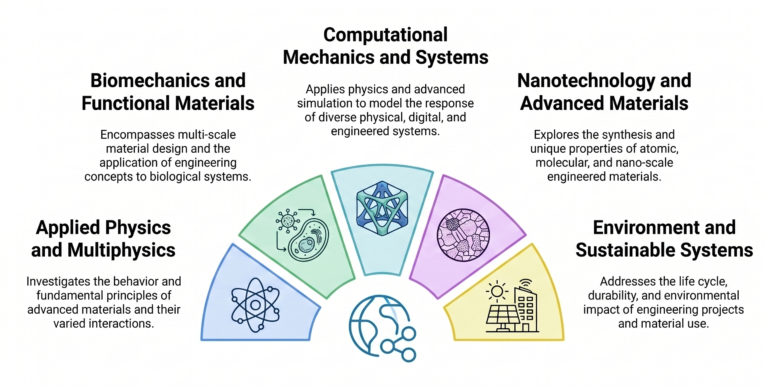
Researchers, professionals, and practitioners working across broad interdisciplinary domains are expected to contribute to and benefit from the journal, including

  • Materials Science and Engineering

  • Structural and Mechanical Systems

  • Computational Mechanics and Advanced Simulation

  • Applied Physics and Multiphysics Modeling

  • Energy Materials and Sustainable Systems

  • Nanotechnology and Functional Materials

  • Biomechanics, Biomaterials, and Bio-inspired Systems

  • Environmental and Sustainable Engineering

  • Data Science, Machine Learning, and Artificial Intelligence in Engineering Applications

Research on Engineering Structures and Materials (RESM) publishes high-quality theoretical, computational, and experimental studies on engineered systems and material behaviors. Theoretical formulations and numerical investigations are encouraged to be validated by experimental findings where applicable. State-of-the-art review papers that elucidate the current standing and future directions of specialized subjects are welcomed. The journal also considers short communications and technical notes that disseminate concise, high-impact findings. Critical discussions of previously published articles are encouraged to support scientific rigor and clarity. Submissions bridging academic research and industrial engineering practice are highly valued.

Topics of special interest include (but are not limited to)

  • Material science and characterization (structure and properties of advanced composites, metals and alloys, ceramics, polymers, bio-based materials, and geomaterials)

  • Mechanics of materials (elasticity, plasticity, damage, fracture mechanics, fatigue, and micromechanics)

  • Structural behavior, integrity, performance, and failure analysis of engineered systems

  • Advanced structural design, multi-hazard assessment, and extreme event mitigation

  • Degradation, aging, health monitoring, repair, and retrofitting of physical systems

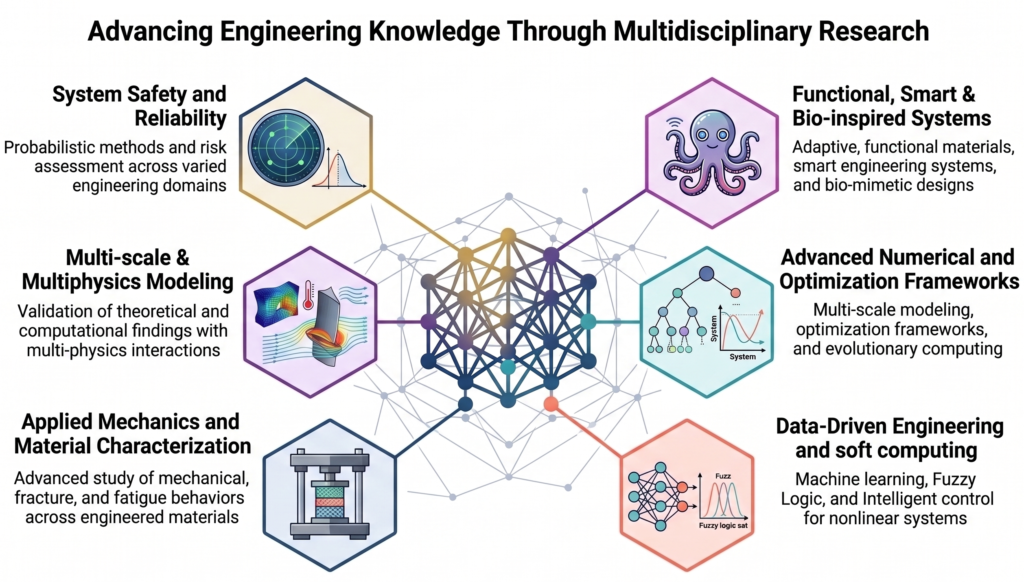
  • System safety, reliability, probabilistic methods, and risk assessment across engineering domains

  • Vibration, acoustics, impact dynamics, wave propagation, and dynamic response of systems

  • Multi-scale and multiphysics modeling, numerical techniques, and simulation methods

  • Functional, smart, and advanced materials for renewable and emerging energy technologies

  • Biomedical engineering, biomechanics, biomaterials, and biomimetic systems

  • Nanotechnology, nanomaterials, and atomic/molecular scale simulations

  • Sustainable engineering systems, circular materials, and environmental impact mitigation

  • Artificial intelligence, machine learning, and data-driven methods in material discovery and engineering design

  • Metaheuristic optimization algorithms, evolutionary computing, swarm intelligence, and surrogate modeling in complex engineering systems

  • Soft computing, fuzzy logic systems, neuro-fuzzy frameworks, and intelligent control methods for uncertain or nonlinear engineering problems


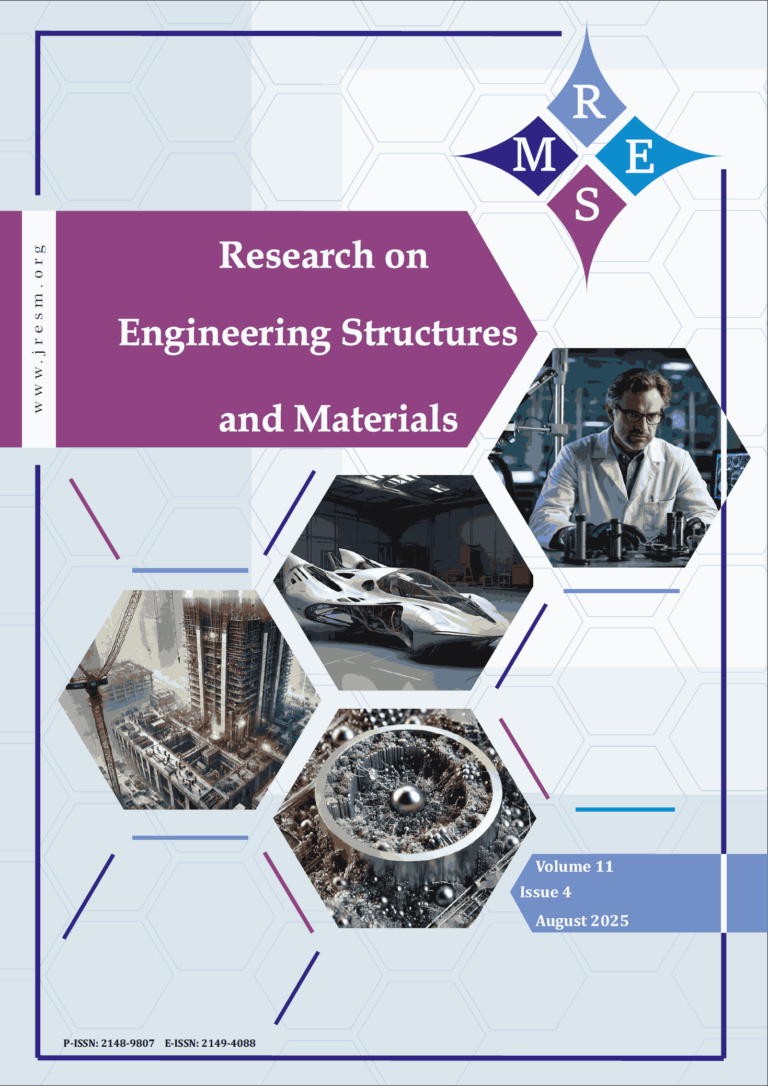
journal cover
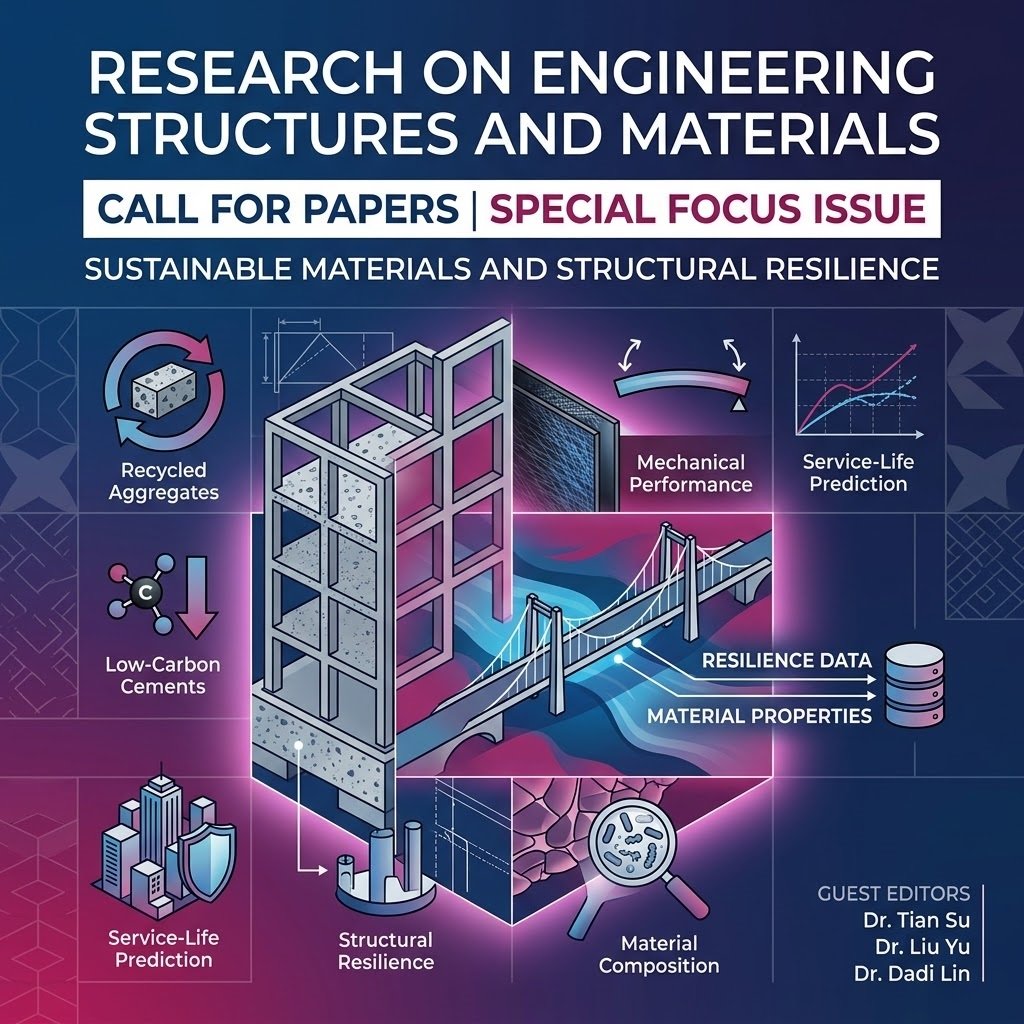
News & Upcoming Events