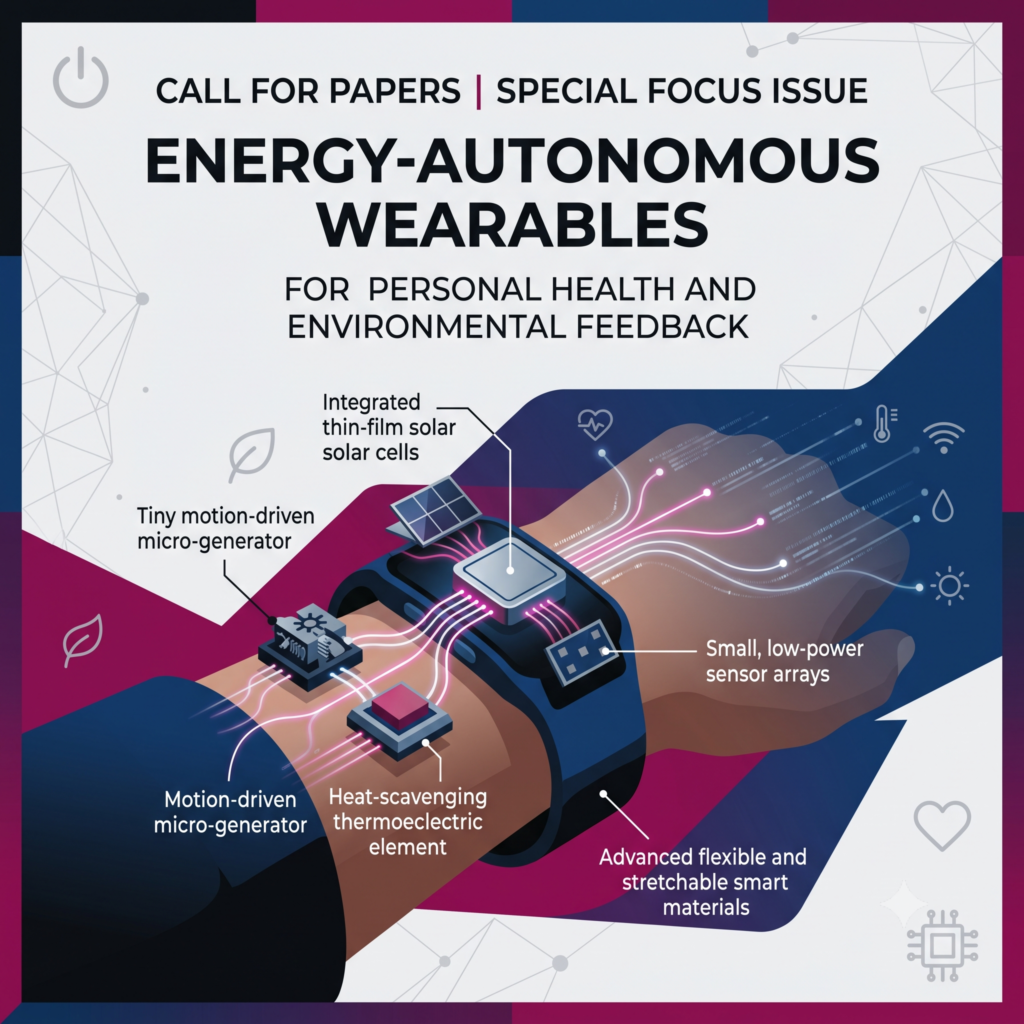
This study presents an artificial intelligence framework designed to optimize athlete performance while minimizing injury risks using wearable sports data and multimodal datasets. Traditional statistical and manual assessment methods often fail to capture complex nonlinear relationships and provide limited predictive accuracy and generalization. In contrast, the proposed framework integrates advanced machine learning techniques within a unified pipeline architecture. PCA is performed to extract features and reduce the dimensions of the data before applying the extracted features to predict the performance of athletes and the risk of injuries. The features extracted are fed to XGBoost Regressor for prediction of performance of athletes and LightGBM Classifier for classifying the injury risks of the athletes. Additionally, SMOTE and class-weighting strategies address class imbalance issues. A key contribution of the study is the integration of performance prediction and injury risk assessment into a single intelligent framework. Experimental evaluation demonstrates outstanding effectiveness, achieving 0.9864 accuracy and 0.9952 ROC-AUC for injury classification, alongside an R² value of 0.9721 and RMSE of 0.031 for performance prediction. The framework significantly outperforms traditional approaches in sports analytics applications. The proposed AI-driven adaptive training framework serves as an engineering-oriented system integrating wearable data, machine learning, and optimization for performance and injury-risk assessment. The system utilizes wearable devices that operate with minimal or no external battery power by using harvested energy.